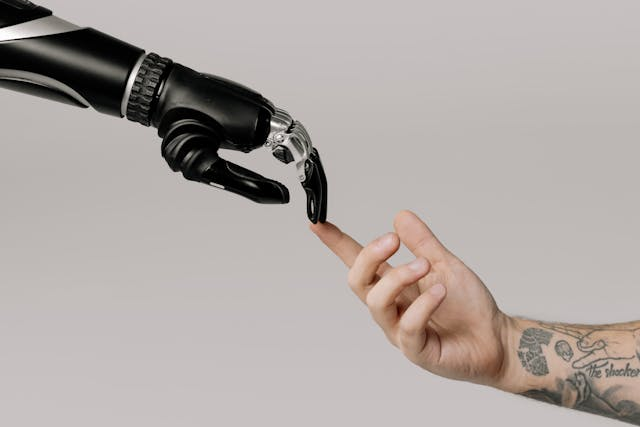
In the rapidly transforming landscape of work, artificial intelligence isn’t just coming—it’s already here, reshaping industries and redefining careers at an unprecedented pace. For those of us in the 40-60 age bracket, this technological revolution presents both unique challenges and extraordinary opportunities. While headlines often focus on job displacement, there’s a compelling alternative narrative: AI is creating pathways to reinvention, renewed relevance, and in many cases, surprising prosperity.
The New Reality: AI’s Impact on Traditional Work
The statistics tell a clear story: according to recent research, up to 60% of jobs in advanced economies may be significantly impacted by AI technologies in the coming years. For midlife professionals who’ve built careers on skills and knowledge that took decades to master, this shift can feel particularly destabilizing.
Let’s face it—the days when a single career path could carry us from college to retirement are firmly behind us. But before panic sets in, consider this: while 40% of employers plan to reduce workforce where AI automates tasks, they’re simultaneously creating new positions that didn’t exist even five years ago.
“The biggest mistake midlife professionals make is seeing AI as the enemy rather than a powerful ally,” says career transition coach Marissa Chen. “Those who thrive aren’t running from AI—they’re running toward it with their wealth of experience in tow.”

The Experience Advantage: Why 40+ Professionals Have an Edge
While younger workers may have grown up as digital natives, those in midlife bring something equally valuable to the AI revolution: context, judgment, and the human wisdom that comes from decades of problem-solving in the real world.
“AI tools are incredibly powerful, but they lack the nuanced understanding that comes from lived experience,” explains Dr. James Forester, author of Midlife Career Reinvention in the AI Age. “Someone who’s navigated complex workplace dynamics for 20+ years brings pattern recognition and emotional intelligence that AI simply cannot replicate.”
This creates a perfect opportunity for a symbiotic relationship: the midlife professional who can leverage AI tools while applying their hard-earned wisdom creates value that neither could achieve independently.
The Surprising Accessibility of AI Careers
Perhaps the most encouraging aspect of the AI revolution is how accessible many AI-adjacent careers have become. Unlike previous technological shifts that required years of specialized education, many of today’s most in-demand AI roles prioritize practical application over deep technical expertise.
Consider these emerging careers that play to the strengths of experienced professionals:
AI Content Strategy
Content creation and curation powered by AI tools has exploded, with positions growing by 134.5% in the past year alone. These roles leverage communication skills and strategic thinking—areas where midlife professionals often excel.
Lisa Grayson, 54, transitioned from traditional marketing to AI content strategy after a 12-week online course. “I’m not programming the AI—I’m directing it, refining its output, and applying my decades of understanding about what actually resonates with humans. My salary increased by 35%, but more importantly, I feel relevant again.”
AI Implementation Consultant
Organizations desperately need people who can bridge the gap between technical AI capabilities and practical business applications. This role leverages organizational knowledge and change management experience—strengths that typically develop with career maturity.
Prompt Engineering
Perhaps the most accessible entry point into the AI economy, prompt engineering—the art of crafting effective instructions for AI systems—has seen job listings increase by 135.8% year-over-year. These positions often require excellent communication skills, critical thinking, and domain expertise rather than programming knowledge.

The Financial Opportunity: How Regular People Are Profiting From AI
Beyond traditional employment, entrepreneurial opportunities abound for those willing to combine AI capabilities with specialized knowledge:
Micro-Businesses Powered by AI
Michael Robertson, 58, was laid off from his manufacturing management position after 22 years. Instead of pursuing another corporate role, he took a different approach: “I spent three months learning how to use AI tools to create custom training programs for manufacturing teams. With minimal startup costs, I’m now making more than my previous six-figure salary working directly with factories across the country.”
Consulting on AI Implementation
Janice Wong, 47, leveraged her healthcare administration background to help medical practices integrate AI into their operations. “Most AI consultants come from technical backgrounds and don’t understand healthcare workflows. My advantage is speaking both languages—I understand the clinical environment and can translate AI capabilities into practical solutions.”
Creating and Selling AI Prompts and Templates
Some entrepreneurs are finding success by creating specialized prompts and workflows for specific industries. Keith Davis, 61, developed a library of AI prompts for real estate professionals that has generated over $200,000 in passive income. “I’m not a programmer—I just understand what realtors need and how to instruct AI to deliver it.”
Practical Steps: Your Roadmap to AI Relevance
If you’re in the 40-60 age bracket and ready to embrace the AI revolution, here’s a practical roadmap to get started:
1. Develop AI Literacy Without Becoming a Programmer
Start by understanding what AI can and cannot do. Platforms like Coursera, LinkedIn Learning, and even YouTube offer excellent introductory courses. Focus on learning how to use AI tools rather than how to build them.
“You don’t need to understand how the engine works to drive a car effectively,” explains career strategist David Powell. “The same applies to AI—focus on becoming an expert user rather than a developer.”
2. Leverage Your Domain Expertise
Your greatest asset is the specialized knowledge you’ve developed throughout your career. Identify how AI tools can enhance rather than replace that expertise.
For example, a financial analyst might learn how AI can automate data processing while focusing their human expertise on interpretation and strategy. A human resources professional might use AI to screen resumes but apply their judgment to final hiring decisions.
3. Invest in Relationship-Building Skills
As automation increases, human connection becomes more valuable. Skills like empathy, negotiation, leadership, and collaboration are increasingly premium abilities that AI cannot replicate.
“In an AI-powered world, the most valuable professional is one who can work effectively with both machines and humans,” notes workplace futurist Dr. Elena Sharma. “These human-to-human skills typically strengthen with age and experience, giving midlife professionals a natural advantage.”

4. Start Small, Start Now
Begin by incorporating AI tools into your current role. Use tools like ChatGPT for drafting emails, Otter.ai for transcribing meetings, or industry-specific AI tools relevant to your field.
“Many people are paralyzed by trying to make a complete career transition all at once,” says career coach Martin Lewis. “Instead, focus on becoming the go-to AI-savvy person in your current environment. That creates opportunities that can lead to more significant transitions.”
5. Build a Learning Community
Connect with others on similar journeys. Online communities, local meetups, and industry groups focused on AI adoption provide support, insights, and often job opportunities.
The Next Chapter Magazine community features regular discussions about career transitions and technology adoption specifically for those in midlife, offering a supportive environment for navigating these changes.Embracing the Future, Today
The AI revolution isn’t waiting for any of us to feel ready. But unlike previous technological shifts that often favored the young, this one offers unique advantages to those with the wisdom and experience that come with decades in the workforce.
“The world is indeed our oyster,” reflects career transition specialist Amanda Rivera. “But unlike previous generations who had decades to adapt to technological change, we need to be more intentional and proactive. The good news is that the barriers to entry are lower than they’ve ever been, and the financial rewards for those who make the leap can be substantial.”For those of us in the 40-60 age bracket, the question isn’t whether AI will transform our careers—it’s whether we’ll be passive observers or active participants in that transformation. By combining our rich professional experience with new AI capabilities, we can create value that neither humans nor machines could achieve alone.
The future belongs to those who prepare for it. And that future—with all its challenges and opportunities—is already here.
Looking for more guidance on navigating career transitions in midlife? Visit our advice section for more articles on embracing change and finding new opportunities after 40.
Discover more from Next Chapter Magazine
Subscribe to get the latest posts sent to your email.