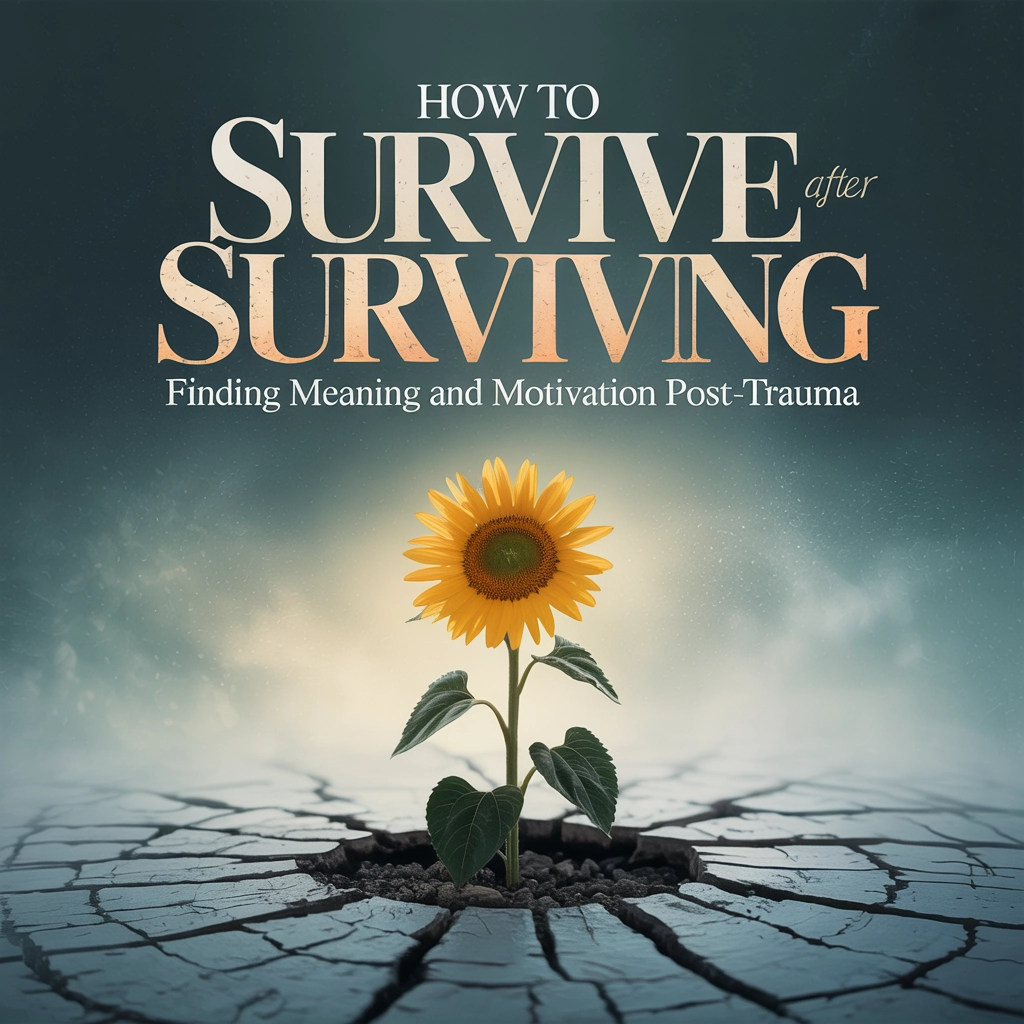
The Unexpected Journey of "After"
We often talk about surviving trauma, but what happens after you've survived? When the acute crisis has passed, when the immediate danger is gone, when you're left standing in the aftermath thinking, "Now what?" This is where the real journey begins—not just surviving, but learning to live again.
Trauma fundamentally changes us. Whether it's illness, accident, loss, violence, or any life-altering event, these experiences reshape our neural pathways, our belief systems, and our sense of self. The "you" who emerges from trauma isn't the same person who entered it. And that's okay.
At Next Chapter Magazine, we understand that midlife often brings unexpected traumas along with expected transitions. The good news? Research consistently shows that humans possess remarkable resilience, and post-traumatic growth is not only possible but common among those who actively engage in their healing process.
The Reality of Post-Trauma Life
The first thing to acknowledge is that surviving the "after" isn't linear. There's no checklist that, once completed, guarantees you'll feel whole again. Instead, healing resembles a spiral—you'll revisit certain emotions and challenges, but hopefully from a slightly different vantage point each time.
Common experiences in the aftermath include:
- Identity disruption: Questioning who you are now that this thing has happened
- Relationship changes: Discovering who can truly hold space for your changed reality
- Trust issues: Struggling to believe in safety or predictability
- Purpose vacuum: Wondering what matters now and why you should keep going
- Emotional unpredictability: Feeling fine one moment and overwhelmed the next
"After my accident, I looked the same on the outside, but inside, everything had shifted," shares Margo, 52. "People expected me to be 'back to normal' after physical recovery, but normal no longer existed."

Finding Meaning When Everything Seems Meaningless
Viktor Frankl, Holocaust survivor and psychiatrist, proposed that humans can endure almost anything if they can find meaning in their suffering. But how do you rediscover meaning when trauma has shattered your worldview?
Start Small and Concrete
Begin with basic meaning-making activities that require minimal emotional investment:
- Helping others: Volunteer for an hour at a local organization
- Creating something: Cook a meal, plant a garden, write a paragraph
- Learning something new: Take a class unrelated to your trauma
- Connecting with nature: Spend time outdoors observing natural cycles
- Practicing gratitude: Note one thing each day that worked or brought tiny moments of peace
"I couldn't see the point of anything after my diagnosis," explains Thomas, 49. "But I started volunteering at an animal shelter. Seeing creatures who needed me—even for just basic care—gave me a reason to show up. Gradually, that expanded to other areas of my life."
Identify Values-Based Actions
Trauma often clarifies what truly matters to us. Ask yourself:
- What principles feel important now?
- What small actions align with those principles?
- What would I regret not doing or expressing?
Acting in accordance with your core values, even in small ways, rebuilds internal coherence and sense of purpose.
Rebuilding Your Relationship With Yourself
Trauma often leaves us feeling betrayed—by others, by circumstances, by our own bodies or minds. Self-compassion becomes essential medicine for healing this fractured relationship with yourself.
Practice Radical Acceptance
This doesn't mean approving of what happened, but acknowledging the reality of your current situation without fighting against it. The formula is simple but powerful:
- "This happened."
- "It wasn't what I wanted or deserved."
- "And here I am now, dealing with it as best I can."
Treat Yourself As You Would a Friend
When self-criticism arises (and it will), pause and ask: "Would I speak this way to someone I love who'd experienced this trauma?" Then offer yourself the same compassion you'd extend to them.
Diane, 55, shares: "I used to berate myself for not 'getting over it' faster. One day my therapist asked me to imagine my best friend had experienced my trauma and was having the same struggles. Would I tell her she was weak or taking too long? That perspective shift changed everything."

The Power of Connection
Isolation is both a common response to trauma and one of its greatest barriers to healing. While your instinct may be to withdraw, connection is vital for rebuilding meaning and motivation.
Finding Your People
Not everyone will understand your journey, and that's okay. Look for:
- Support groups specifically for your type of trauma
- Online communities where you can participate at your own comfort level
- Individual therapy with someone specialized in trauma recovery
- Friends who can simply be present without trying to "fix" you
"I didn't want to burden my family," says Marcus, 47. "But joining a men's group where others had faced similar challenges helped me realize I wasn't alone. There's something healing about nodding heads of understanding that you can't get anywhere else."
Communicating Your Needs
People often want to help but don't know how. Be specific about what supports your healing:
- "I need to talk without advice right now."
- "Could you help me research this resource?"
- "I'd appreciate company for this appointment."
- "I need space today, but please check in tomorrow."
Daily Practices for Building Resilience
Resilience isn't something you have or don't have—it's a set of skills you can develop through consistent practice.
Mindfulness for Trauma Survivors
Traditional meditation can sometimes trigger flashbacks for trauma survivors. Instead, try:
- Guided meditations specifically designed for trauma
- Brief mindful moments focusing on a single sense
- Body scans that allow you to notice, then release, areas of tension
- Mindful movement like gentle yoga or walking meditation
Regulating Your Nervous System
Trauma dysregulates our fight-flight-freeze response. These practices help restore balance:
- Box breathing: Inhale for 4 counts, hold for 4, exhale for 4, hold for 4
- Hand on heart while taking deep breaths
- Progressive muscle relaxation
- Temperature changes (cold water on wrists, warm shower)
"I keep an 'emergency kit' with sensory tools—a smooth stone, essential oil, photographs of beautiful places, and music that grounds me," explains Janet, 51. "When I feel myself spiraling, these simple things help bring me back to the present."

Overcoming the Inevitable Setbacks
Recovery isn't linear. Triggers, anniversaries, and stress can all cause temporary setbacks that feel like failures. They're not.
Recognize the Pattern
When you find yourself struggling:
- Acknowledge what's happening: "I'm having a hard day/moment."
- Remind yourself this is normal: "This is part of healing, not a failure."
- Implement your toolkit: "What has helped before that I can try now?"
- Reach out if needed: "Who could support me through this moment?"
Finding Hope in the Darkness
On the hardest days, borrow hope from others. Read stories of post-traumatic growth. Connect with people further along in their healing journey. Remember that countless humans have walked similar paths and found meaning again.
Creating a New Narrative
Perhaps the most powerful aspect of healing is the ability to integrate your trauma into a larger life narrative—not as the defining feature, but as one chapter in a complex, ongoing story.
This integration might look like:
- "This happened to me, AND I am still here, still capable of joy."
- "This experience shaped me, AND I decide what meaning to make from it."
- "This trauma is part of my history, AND it does not dictate my future."
The Journey Forward
Recovery is not about returning to who you were before trauma. That person is gone. Instead, it's about becoming someone new—someone who carries the reality of what happened alongside new wisdom, deeper compassion, and hard-won resilience.
As you continue navigating life after trauma, remember:
- Healing happens in community
- Meaning emerges from action, not just thought
- Small steps forward count, even on days you slide backward
- Your trauma story is real, AND it's not your entire story
At Next Chapter Magazine, we believe that midlife is not too late to rebuild, rediscover purpose, and create meaning after life's greatest challenges. In fact, the wisdom and perspective you bring to this healing journey may be your greatest assets.
What small step toward meaning and motivation could you take today?
If you're struggling with trauma recovery, please consider reaching out to professional support. Resources like the National Center for PTSD offer valuable information and connection to qualified help.
Discover more from Next Chapter Magazine
Subscribe to get the latest posts sent to your email.