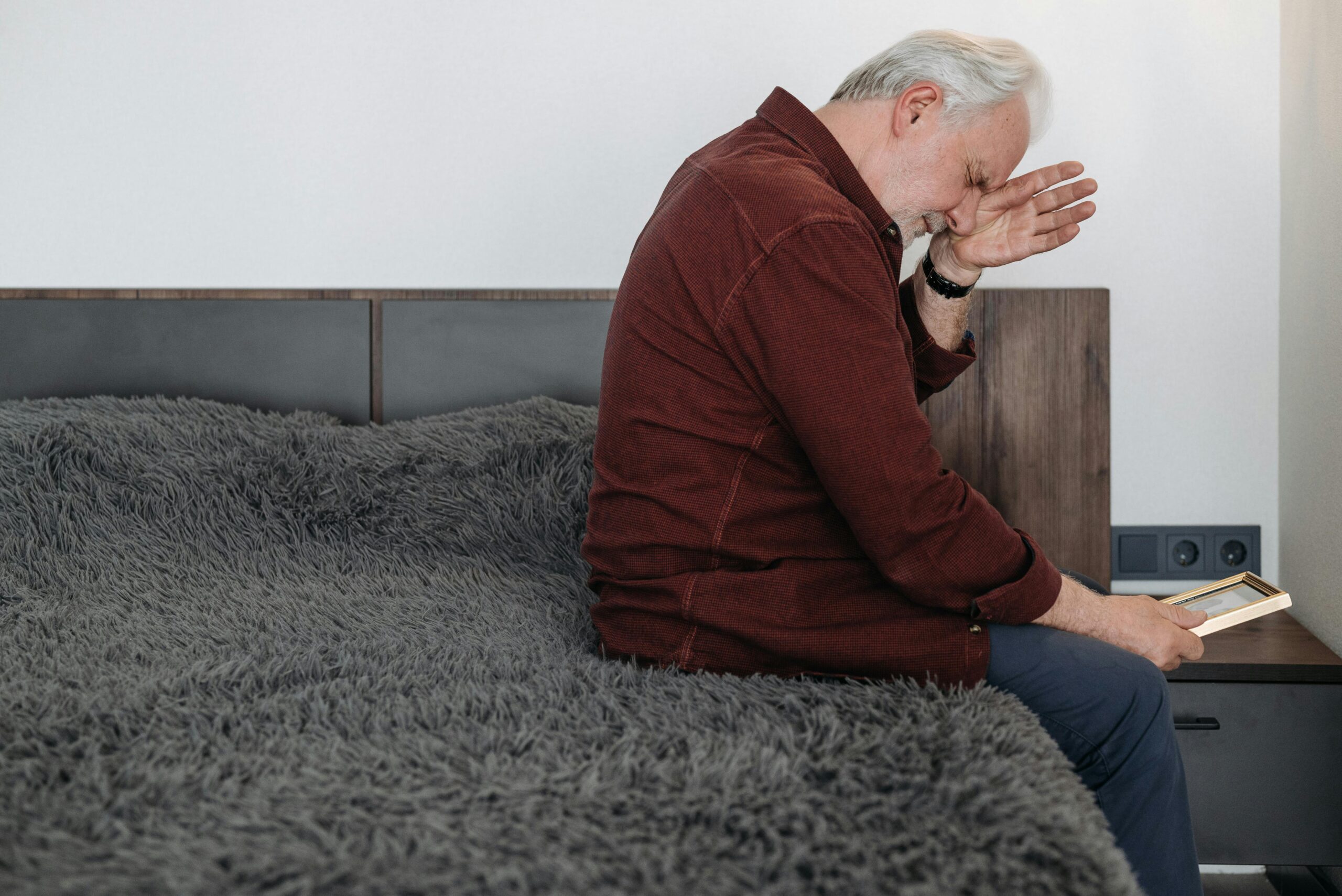
For many men, emotions don’t arrive on schedule. They surface quietly, often years after the event that caused them. This experience is known as emotional delayed onset, and it explains why feelings like grief, regret, or vulnerability often show up later in life rather than in the moment.
Instead of reacting immediately, men are frequently conditioned to push emotions aside. As a result, emotional awareness tends to develop gradually, becoming clearer with age, life experience, and personal reflection.
Understanding emotional delayed onset can bring relief. It reframes late-arriving emotions not as weakness, but as a natural outcome of how many men were taught to survive.
What Emotional Delayed Onset Really Means
At its core, emotional delayed onset refers to delayed emotional processing. Men often experience major life events—loss, divorce, career pressure, fatherhood—without fully feeling them at the time.
Rather than processing emotions immediately, many men focus on responsibility, productivity, or problem-solving. The feelings don’t disappear. Instead, they wait.
Later in life, often during quieter seasons, those emotions finally have space to surface.
Why Men Often Feel Emotions Later in Life
Several factors contribute to emotional delayed onset in men.
First, emotional suppression is frequently rewarded early in life. Boys are praised for being tough, calm, and unaffected. Over time, this teaches emotional restraint rather than emotional fluency.
Second, survival mode leaves little room for reflection. When men are busy building careers, supporting families, or meeting expectations, emotions feel impractical. As responsibilities shift, emotions finally get attention.
Finally, maturity changes perspective. With age comes context, safety, and distance. Emotional clarity often arrives when the nervous system no longer feels under constant pressure.
The Midlife Shift That Triggers Emotional Awareness
Midlife is often when emotional delayed onset becomes impossible to ignore.
Career plateaus, children becoming independent, health changes, or relationship transitions can all slow life down. With fewer distractions, unresolved emotions surface naturally.
This isn’t a breakdown. Instead, it’s often the beginning of emotional integration. Men start recognizing feelings they didn’t have language for earlier.
What once felt confusing begins to make sense.
Emotional Delayed Onset in Relationships
In relationships, emotional delayed onset can look like sudden vulnerability or unexpected emotional depth.
Men may revisit old arguments, past relationships, or unresolved wounds years later. Partners sometimes misinterpret this as emotional withdrawal or distance, when it’s actually delayed emotional awareness finally emerging.
When understood, this process can strengthen connection rather than strain it.

Why This Is Not Emotional Failure
It’s important to be clear: emotional delayed onset is not emotional immaturity.
It’s a developmental pattern, shaped by culture, expectations, and survival strategies. Many men simply didn’t have permission to feel earlier in life.
Later emotional growth reflects courage, not deficiency.
How Men Can Support Healthy Emotional Processing
While emotional delayed onset is natural, it can be supported intentionally.
Reflection practices like journaling or quiet walks help emotions surface safely. Conversations with trusted friends or therapists provide language for feelings that were once unnamed.
Most importantly, patience matters. Emotional clarity unfolds gradually, not all at once.
The Strength in Feeling Later
Emotional delayed onset often leads to deeper self-understanding. Men who experience it frequently develop empathy, emotional intelligence, and grounded confidence later in life.
Feeling later doesn’t mean feeling less. In many cases, it means feeling more honestly.
Final Thoughts
Emotional delayed onset explains why so many men find emotional depth later in life. Rather than resisting this shift, embracing it can lead to healthier relationships, clearer identity, and lasting inner stability.
Feeling later isn’t a flaw. It’s a second chance at emotional truth.
Discover more from Next Chapter Magazine
Subscribe to get the latest posts sent to your email.