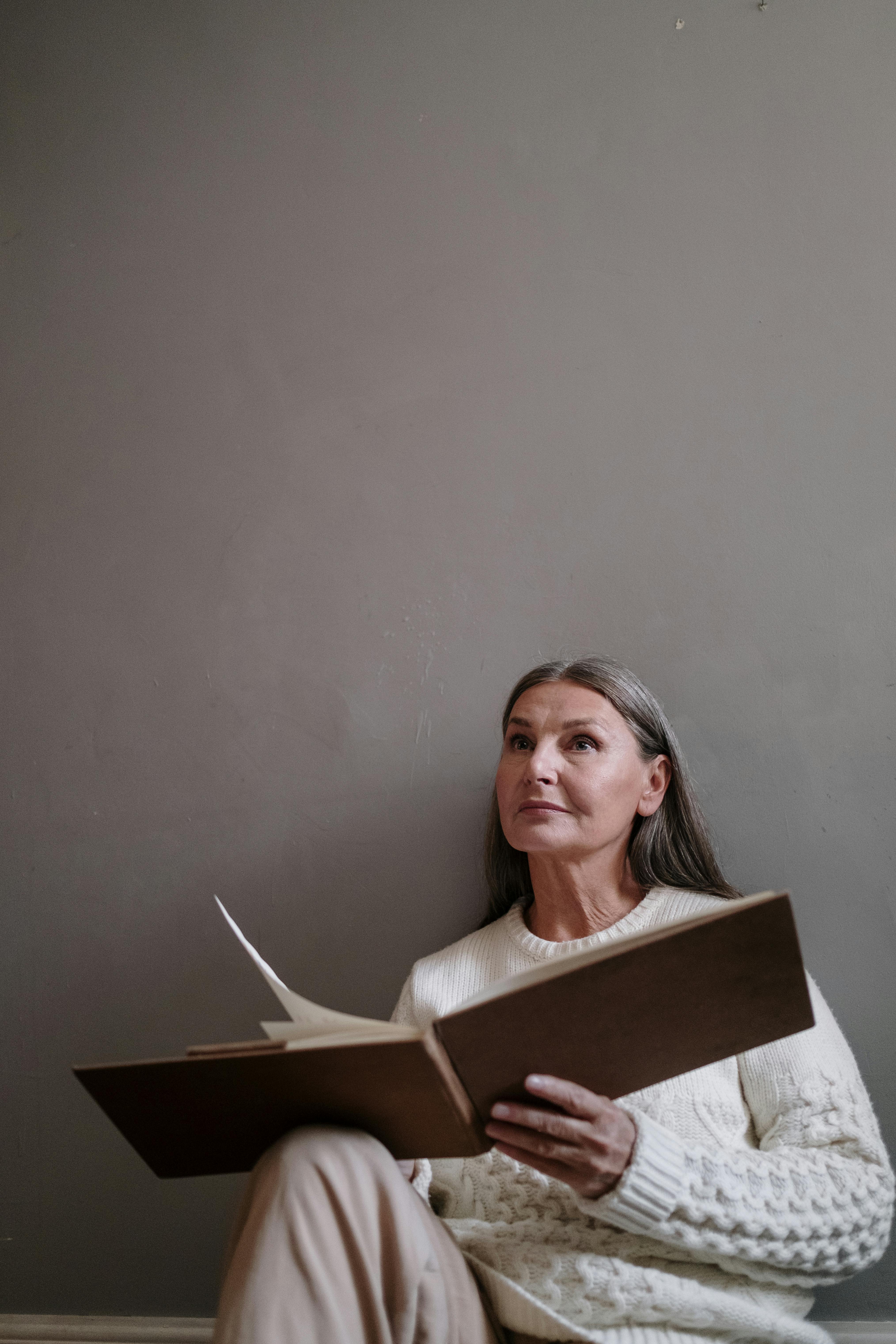
For decades, midlife didn’t get the respect it deserved in entertainment. It was usually reduced to punchlines, crises, clichés and characters whose best days were painted as long gone. That’s finally shifting. Midlife storylines are becoming layered, grounded and genuinely interesting. And audiences are responding because they see themselves in these stories more than ever.
As streaming platforms grow and creators diversify, midlife narratives are stepping into the spotlight. Instead of fading into the background, characters over 40 are now driving the plot — and doing it with nuance.
Why Midlife Storylines Are Resonating With Audiences
One of the biggest reasons midlife storylines are getting better is that viewers are tired of extremes. They want something real. While coming-of-age stories will always be timeless, coming-into-yourself-at-45 stories hit differently. They introduce conflict, wisdom, and humor built from decades of life lived.
Additionally, audiences are aging. Millennials are in their 40s. Gen X is deep into midlife. Boomers are still streaming everything. Because of this, demand for relatable stories naturally grows. And as demand rises, more creators embrace this previously overlooked chapter.
The Industry Is Making Space for Midlife Storylines
Hollywood and publishing are slowly catching on. They’re realizing that midlife isn’t a genre — it’s a universe. It’s rich with reinvention, loss, rediscovery, ambition, awkwardness and joy. These emotions create incredible storytelling opportunities. Therefore, platforms are investing in narratives that highlight the messy, funny and transformative experiences of midlife.
We’re also seeing a rise in midlife protagonists who break old molds. They’re not just parents, bosses or background characters. They’re complex leads navigating careers, love, health, family, identity and meaning with honesty and humor.

Why Midlife Storylines Feel More Real Than Ever
What makes today’s midlife storylines compelling is that they don’t try to pretend everything is perfect. Instead, they show the contradictions — wanting freedom and stability at the same time, loving your life while craving more from it, or finally having wisdom but still making mistakes.
These storylines feel real because they acknowledge that midlife isn’t a crisis. It’s a transformation. A shift. A new season where what mattered before may not matter now, and that’s okay.
In addition, creators are now in midlife themselves. They’re writing from experience rather than assumption. As a result, the stories feel more authentic.
The Future of Midlife Storytelling Looks Bright
As long as audiences continue embracing stories that reflect real life, midlife storylines will keep thriving. More platforms will give midlife-centered scripts green lights. More authors will write characters who are reinventing themselves at 42, 55, or 63. And more viewers will see themselves not as side characters, but as leads in their own evolving narratives.
This shift isn’t just overdue. It’s cultural progress. And it proves one thing: midlife isn’t the middle of the story — it’s the start of a better one.
Discover more from Next Chapter Magazine
Subscribe to get the latest posts sent to your email.